
A NextGen TV tuner can add ATSC 3.0 reception to a compatible setup, but the right choice depends on how you watch: directly on one TV, through a streaming device, or across your home network.
These six options span converter boxes, a USB receiver, and network-connected tuners. Before buying, check local broadcasts, encrypted-channel support, and whether recording matters to you.
Best 6 Nextgen TV Tuner Picks for 2026
Whole-Home Pick
HDHomeRun Flex 4K Network Tuner

- Four tuners; two support ATSC 3.0
- Streams to multiple devices over a network
- No DRM-protected ATSC 3.0 playback
Best For: Multiroom antenna TV viewing
TV Converter Pick

- Supports ATSC 3.0 DRM channels
- Offers DVR recording
- HDMI and RCA connections
Best For: TV or monitor converter-box setups
Single-Device USB Pick

- Receives ATSC 1.0 and ATSC 3.0
- Encrypted channels need a compatible online host
- Plays on one device, not across a network
Best For: One verified Android TV, Google TV, or Fire TV device
Flexible Recording Pick
GTMEDIA ATSC 3.0 Converter Box

- One-button DVR with adjustable duration
- Records multiple programs on one frequency
- ATSC 3.0/1.0, 4K HDR, and AC-4 support
Best For: Viewers seeking flexible recording and offline DRM support
Dual-Tuner Pick
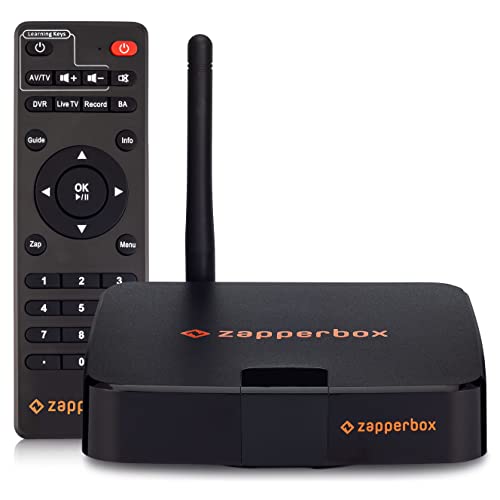
- ATSC 3.0/1.0 dual tuner and channel guide
- 4K HDR and DVR capability
- Storage sold separately; advanced DVR costs extra
Best For: OTA viewers seeking dual tuners and a channel guide
Ready-to-Record Pick
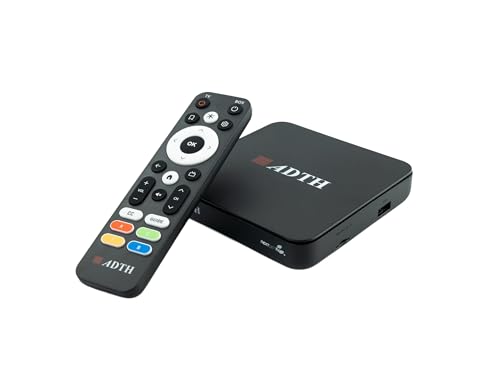
- 64GB built-in DVR storage
- ATSC 3.0/1.0 and up to 4K HDR output
- USB or microSD storage expansion
Best For: Cord cutters wanting DVR storage out of the box
Whole-Home Pick – HDHomeRun Flex 4K Network Tuner
The HDHomeRun Flex 4K is a nextgen tv tuner for households that want antenna TV on multiple devices over an Ethernet network. Its four tuners support ATSC 1.0, with two also supporting ATSC 3.0.
Best For: Households that want to watch compatible over-the-air channels on several devices throughout the home.
Pros:
- Supports simultaneous viewing on multiple devices.
- Offers whole-home DVR with a connected USB hard drive, without a required subscription.
- Includes four ATSC 1.0 tuners, two of which support ATSC 3.0.
Cons:
- Cannot play DRM-protected ATSC 3.0 channels.
- Advanced automatic recording features require a paid TV guide.
Choose this for flexible, multiroom viewing if the ATSC 3.0 channels you plan to watch are DRM-free; check device compatibility before buying.
TV Converter Pick – GTMEDIA X1 ATSC 3.0 Converter
The GTMEDIA X1 is a nextgen tv tuner converter box for a television or monitor, with HDMI and RCA connection options. It supports ATSC 3.0, ATSC 1.0, and clear QAM signals.
Best For: Buyers seeking a converter box with support for ATSC 3.0 DRM channels and DVR recording.
Pros:
- Supports ATSC 3.0 DRM channel playback.
- Offers DVR recording without a stated recording subscription.
- Supports ATSC 1.0 and clear QAM alongside ATSC 3.0.
Cons:
- Listed compatible displays are televisions and monitors; the notes do not describe whole-home network streaming.
The X1 is worth considering when protected-channel support matters more than multiroom viewing. Its supplied specifications list a three-year warranty.
Single-Device USB Pick – ADTH NextGen TV USB Tuner
The ADTH USB receiver is a nextgen tv tuner for a compatible Android TV, Google TV, or Fire TV device. It handles ATSC 1.0 and ATSC 3.0 but plays on the device it is plugged into, not across a home network.
Best For: A single compatible streaming device whose codec and DRM capabilities have been checked before purchase.
Pros:
- Supports both ATSC 1.0 and ATSC 3.0 reception.
- Can play encrypted ATSC 3.0 channels when the host supports Widevine L1 and has an internet connection.
- The ADTH NextGen TV Test app helps check device compatibility before purchase.
Cons:
- Works with one plugged-in device at a time; it is not a network tuner.
- ATSC 3.0 playback depends on host support for Dolby AC-4 and HEVC, and USB compatibility varies by TV model.
Check local ATSC 3.0 availability and run the compatibility test first. This is a targeted option for a verified device, not a universal plug-and-play upgrade.
Flexible Recording Pick – GTMEDIA ATSC 3.0 Converter Box
This nextgen tv tuner combines ATSC 3.0 and 1.0 reception with HDMI output, 4K HDR support, and a built-in license for offline DRM programs. Its one-button DVR is a practical draw if you want to record over-the-air TV.
Best For: Viewers who want simple DVR controls and offline DRM support in an ATSC converter box.
Pros:
- Records multiple programs on the same frequency at once.
- Supports ATSC 3.0, ATSC 1.0, and QAM-B.
- Includes Dolby AC-4 support and an HDMI cable.
Cons:
- The default recording duration is 30 minutes, though you can change it.
- Available channels and ATSC 3.0 signal quality depend on location.
The recording flexibility stands out, but check local broadcast availability before buying for ATSC 3.0 channels.
Dual-Tuner Pick – ZapperBox M1 OTA Gateway
ZapperBox M1 ATSC 3.0 OTA Dual Tuner + DVR + Gateway with 4K, HDR, and Channel Guide
Check Price On AmazonThe ZapperBox M1 is a nextgen tv tuner for shoppers who want dual-tuner reception, a channel guide, and DVR capability. It supports ATSC 3.0 and 1.0, with Wi-Fi and Ethernet connectivity.
Best For: OTA viewers who want a dual-tuner box with recording and a channel guide.
Pros:
- Dual-tuner design supports watching and recording broadcast TV.
- Supports 4K output, HDR10/HLG, Dolby AC-4, and Dolby Atmos.
- Offers USB ports, a microSD slot, Wi-Fi, and Ethernet.
Cons:
- A TV antenna and DVR storage are sold separately.
- Advanced DVR features require a $29.99-per-year subscription.
This is a feature-rich choice if the added storage and subscription costs fit your plans; reception and available broadcasts still depend on your antenna and area.
Ready-to-Record Pick – ADTH NextGen TV Box Gen 2
This nextgen tv tuner pairs ATSC 3.0 and 1.0 reception with 64GB of built-in storage, so its DVR is ready to use without buying a separate drive. It connects to a TV by HDMI and supports up to 4K HDR output when broadcasts and your display allow it.
Best For: Cord cutters who want built-in DVR storage for over-the-air TV.
Pros:
- 64GB onboard storage supports recording, pause, rewind, and replay.
- Works with ATSC 3.0 and legacy ATSC 1.0 broadcasts.
- Storage can be expanded with a USB drive or microSD card.
Cons:
- A TV antenna is required.
- 4K HDR broadcast availability varies by location.
The built-in storage makes this the most straightforward recording option of the three if you prefer not to shop for a drive before getting started.
How We Picked These Nextgen TV Tuners
We focused on six products offering ATSC 3.0 reception across different setups: standalone converter boxes, a USB receiver, and tuners designed for networked viewing or recording. We compared their stated tuner configurations, ATSC 1.0 support, DVR features, storage, and device requirements. Listed features are a starting point, not a guarantee that every local station or streaming app will work.
Quick Comparison: Which Type Fits Your Setup?
- Watch on one TV: A converter box is the most direct route if your television lacks an ATSC 3.0 tuner. The GTMEDIA X1, GTMEDIA converter box, and NextGen TV Box Gen 2 fall into this group.
- Watch through a supported streaming device: The USB tuner targets compatible Android TV, Google TV, and Fire TV hardware. Check the exact device and software requirements first.
- Watch on multiple devices: The HDHomeRun Flex 4K is a network-tuner option. Confirm that the apps and devices you plan to use support the channels you want.
- Prioritize recording: Compare the M1 dual-tuner DVR and gateway with boxes advertising DVR or built-in storage; recording capabilities and restrictions can differ by channel.
Key Buying Factors for a Nextgen TV Tuner
Local Signals and Antenna Reception
Check whether ATSC 3.0 stations actually broadcast in your area before paying for a new tuner. You still need suitable antenna reception, and coverage can vary by station and location. ATSC 1.0 compatibility is useful because not every available channel broadcasts in ATSC 3.0.
Encrypted Channels and Internet Requirements
ATSC 3.0 DRM can affect whether a device plays or records particular channels. Do not assume an “ATSC 3.0” label guarantees access to every encrypted station. Verify the manufacturer’s current DRM support for your intended device, apps, and local stations; some setups require an internet connection for authorization.
Connections, Tuners, and DVR Features
Match the hardware to your TV: a converter box generally connects directly to a display, while USB and network tuners depend on compatible host devices or apps. More tuners can help when household members want to watch or record different channels simultaneously, but check how many support ATSC 3.0 specifically. For DVR use, confirm whether storage is included, what extra hardware or subscriptions are needed, and whether encrypted programs can be recorded.
Who Should Buy Which Nextgen TV Tuner?
Choose a converter box if you want a straightforward way to add antenna TV to one screen. Consider the USB receiver only if your specific streaming device is supported. Pick a network tuner if viewing across several compatible devices matters more than a simple TV-side connection. If recording drives the purchase, start with the M1 or a DVR-equipped box, then verify its real-world recording limits before ordering. For any option, local channel availability and DRM compatibility should settle the final decision.