
Restoring film gear takes the right mix of precision, patience, and the proper tools. Whether you are opening stubborn cassettes, handling delicate negatives, or servicing lens and body parts, the right kit helps reduce damage and wasted time.
This roundup of film camera restoration tools focuses on practical, buyer-friendly picks for safer repairs, cleaner workflows, and better results from vintage camera maintenance to darkroom film handling.
Best 7 Film Camera Restoration Tools Picks for 2026
Best for Home Film Processing

- Three essential tools in one compact kit
- Metal opener with comfortable silicone grip
- Includes spare silicone strips for the squeegee
Best For: Home darkroom users who need a simple film handling kit.
Best Multi-Tool Pick
SmallRig x FILM RIOT 10-in-1 Folding Tool Set
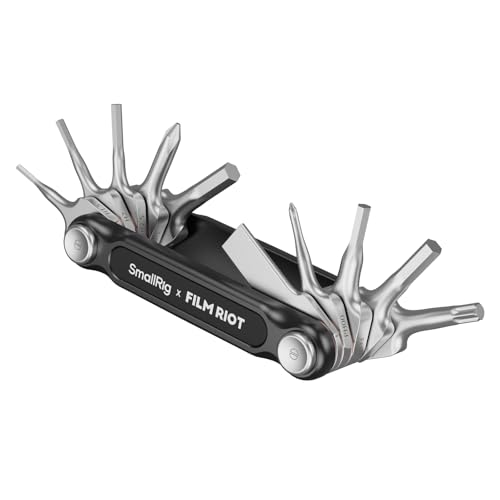
- 10-in-1 mix covers common camera fasteners
- Folding body is compact and easy to carry
- 90°/180° positioning helps in tight spaces
Best For: Creators and technicians who need a portable all-in-one wrench set for camera and rig adjustments.
Best for Retrieving Film Leaders

- Three-blade plastic design speeds up leader extraction
- Smooth, durable build helps limit film scratching
- Compact with lanyard for easy carrying
Best For: Users who need a compact 35mm leader retriever for cassettes and field handling.
Best for Lens Rings
Japan Hobby Tool Vacuum Pad Opener

- Non-marring vacuum pads for delicate lens and trim removal
- 6-piece set covers 12 diameter sizes
- Made in Japan for precision camera maintenance
Best For: Collectors and repair hobbyists working on delicate Japanese film camera parts.
Best for Wet Film Handling

- Soft silicone blades help reduce scratches and streaking
- Compatible with 35mm/135 and 120 negatives
- Includes spare silicone strips for extended use
Best For: Photographers and restorers who want a gentle, reusable wiper for freshly processed film.
Best Adjustable Lens Ring Tool
eTone Ultra Fine Spanner Wrench

- Adjustable 10mm to 100mm opening
- Three tip styles for different rings
- Anti-magnetic stainless steel build
Best For: Repairers who need one versatile wrench for lens retaining rings and mixed-size camera restoration work.
Best for 35mm Reloading
eTone 35mm Film Cartridge Opener
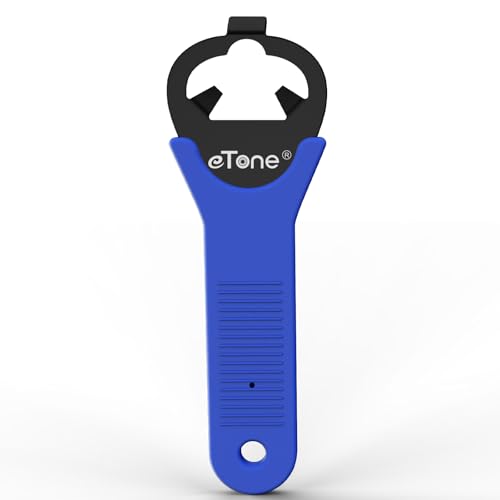
- Easy lever-action opening for 135 film cassettes
- Works with major 35mm film brands
- Grip-friendly build for repeated darkroom use
Best For: Film photographers and vintage camera collectors who regularly reload or develop 35mm film.
Best for Home Film Processing – JJC Film Processing Tool Kit
If you want practical film camera restoration tools for developing and handling negatives at home, this JJC kit covers the basics in one compact set. It includes a film opener, leader retriever, and squeegee, making it a simple choice for 35mm, 120, and 135 workflows.
Best For: Home darkroom users and hobbyists who need a simple, all-in-one film handling kit for processing and drying negatives.
Pros:
- Includes three core tools needed for common film processing tasks
- Metal opener and silicone grip help improve durability and handling
- Leader retriever is designed to pull out 35mm film heads quickly
- Squeegee includes spare silicone strips for longer usable life
Cons:
- Focused on basic film handling, not advanced restoration work
- Best suited to 35mm use, with more limited utility for some formats
- Not a full darkroom kit, so you may still need additional supplies
This is a straightforward pick if you need film camera restoration tools that help with opening cassettes, retrieving leaders, and removing excess water after processing. It’s best viewed as a utility kit for routine film handling rather than a specialty pro-grade solution.
Best Multi-Tool Pick – SmallRig x FILM RIOT 10-in-1 Folding Tool Set
If you want one compact kit that covers the most common fasteners on rigs, cages, and accessories, this SmallRig x FILM RIOT set is a smart fit for film camera restoration tools. It combines multiple hex sizes, screwdriver tips, and a Torx driver in a folding body that is easy to keep in a bag or pocket.
Best For: Creators and technicians who need a portable all-in-one wrench set for quick camera, rig, and accessory adjustments.
Pros:
- 10-in-1 layout covers common Allen, Phillips, flathead, and Torx needs
- Folding design helps keep small tools organized and easy to carry
- 90° and 180° positioning adds flexibility in tight working spaces
- Aluminum alloy and stainless steel construction feels durable for regular use
Cons:
- Not ideal if you need a full precision repair toolkit
- May be more tool than necessary for very basic film camera restoration tasks
- Should not be used as a lever
For film camera restoration tools, this is a practical carry-anywhere option when you want broad compatibility without a bulky case. It is especially useful for on-the-go maintenance, accessory swaps, and general camera-rig work.
Best for Retrieving Film Leaders – JJC 35mm Film Retriever
For anyone building out a kit of film camera restoration tools, this JJC retriever is a simple way to recover a recessed 35mm leader without opening the cassette. Its plastic blade design is meant to pull the film head out quickly while helping avoid scratches, making it a practical bench or field accessory for film handling.
Best For: Photographers, lab users, and repair-minded shooters who need a compact tool for extracting 35mm film leaders from cassettes.
Pros:
- Three-blade plastic design helps grab and pull film leaders fast
- Smooth, durable construction is intended to reduce scratching risk
- Compact size and included lanyard make it easy to carry
- Can be used without a darkroom, which is convenient in the field
Cons:
- May take a few tries if the film leader is deeply recessed or off-position
- Works only with 35mm/135 cassettes, not larger formats
- Results depend on careful technique and listening for the spool click
As film camera restoration tools go, this is a focused, low-cost helper rather than a multi-purpose gadget, but it can save time whenever a cassette hides the leader. If you regularly load, unload, or rescue 35mm film, it earns its place in a small repair and handling kit.
Best for Lens Rings – Japan Hobby Tool Vacuum Pad Opener
Japan Hobby Tool Vacuum Pad Camera Parts Opener for Camera Lens Repair Made in Japan
Check Price On AmazonIf you need specialized film camera restoration tools for delicate lens work, this Japan Hobby Tool opener is built for removing lens rings and other decorative covers without leaving pits or tool marks. The set includes multiple vacuum pad sizes, making it useful for a range of Japanese film camera maintenance tasks where standard openers can be too aggressive.
Best For: Restorers and repair hobbyists who want a gentler tool for opening lens rings, rewind knobs, and camera trim.
Pros:
- Vacuum pads help grip parts without scratching the surface.
- Includes 6 pieces with 12 usable diameters for different component sizes.
- Useful for both camera lens rings and film camera decorative covers.
- Made in Japan, which may appeal to precision-focused repair work.
Cons:
- More specialized than a general-purpose camera repair opener.
- Best suited to parts that can be removed with suction rather than tight, damaged fittings.
For technicians and collectors assembling film camera restoration tools, this is a niche but practical choice when you need controlled, low-marring removal on lenses and trim pieces. It is especially attractive if you work on Japanese film cameras and want a purpose-built opener instead of improvising with broader tools.
Best for Wet Film Handling – JJC 35mm/120 Film Squeegee
If you’re comparing film camera restoration tools for darkroom cleanup, this JJC film squeegee is a simple way to remove excess water from 35mm and 120 negatives before drying. Its soft silicone blades are designed to wipe cleanly with less risk of marks, making it a practical accessory for routine film processing.
Best For: Photographers and restorers who want a gentle, reusable wiper for freshly processed 35mm/120 film.
Pros:
- Soft silicone blades help reduce scratches and streaking
- Works with both 35mm/135 and 120 negatives
- Includes spare silicone strips for longer use
- Ergonomic ABS body is easy to grip and water-resistant
Cons:
- Requires careful, light pressure to avoid damage
- Needs both film and blades to stay very clean
- Best suited to wet-processing workflows, not general film storage
For film camera restoration tools focused on handling and finishing negatives, this is more of a specialized maintenance aid than a universal shop tool. But if your priority is cleaner drying with fewer marks, it’s a solid, low-friction add-on for the darkroom.
Best Adjustable Lens Ring Tool – eTone Ultra Fine Spanner Wrench
If you need one of the more flexible film camera restoration tools for opening stubborn retaining rings, this eTone spanner wrench is built for lens and camera repair work where precision matters. The anti-magnetic stainless steel body, three tip styles, and wide adjustable range make it a practical pick for keeping older optics and large-format gear serviceable.
Best For: Repairers who want a single adjustable tool for lens retaining rings, camera body grip rings, and mixed-size restoration jobs.
Pros:
- Adjustable opening covers a wide 10mm to 100mm range.
- Includes flat, semi-flat, and pointed tips for different ring types.
- Anti-magnetic stainless steel construction helps with delicate repair work.
- Useful for both lens retaining rings and some camera body grip rings.
Cons:
- Not a specialized kit with multiple dedicated precision heads beyond the included tips.
- May be overkill for very small or very occasional repair tasks.
For film camera restoration tools, this is a strong all-around choice when you need adjustability more than a full kit. It is especially appealing if you work on different lens sizes and want a dependable wrench for loosening or tightening retaining rings without buying multiple tools.
Best for 35mm Reloading – eTone 35mm Film Cartridge Opener
eTone 35mm Film Cassette Cartridge Opener Removal Darkroom Tool Bulk Film Reload Retriever,Blue
Check Price On AmazonIf you need a simple, reusable way to open 35mm cassettes, this eTone tool fits neatly into a film photography workflow. It’s one of the more practical film camera restoration tools for labs, darkroom work, bulk reloaders, and anyone salvaging expired rolls.
Best For: Film photographers and vintage camera collectors who regularly reload, develop, or recover 35mm film cartridges.
Pros:
- Lever-action design makes stubborn 135 cassettes easier to pop open
- Compatible with common Kodak, Ilford, Fujifilm, and other 35mm cartridges
- Textured grip helps keep handling secure during repeated use
- Durable build suits darkroom, scanning, and DIY processing tasks
Cons:
- Only useful if you routinely work with 35mm film cartridges
- Some buyers may prefer a more traditional all-metal darkroom feel
For analog shooters who need a no-fuss opener, this tool is a solid utility pick rather than a specialty accessory. It earns a place among film camera restoration tools by making cartridge recovery faster and less frustrating.
How We Picked These Film Camera Restoration Tools
We looked for tools that solve real repair and handling problems without adding unnecessary complexity. Priority went to build quality, fit and finish, ease of control, portability, and usefulness across common film camera and darkroom tasks. We also favored tools that support safe contact with sensitive parts, since scratched housings, bent retainers, and marked negatives are expensive mistakes.
Quick Comparison: Which Tool Type Fits Which Job?
Different restoration tasks call for different tool styles. A compact screwdriver and hex kit is best for general teardown and accessory work. A spanner wrench is the right choice for retaining rings and lens hardware. Film retrievers and cassette openers are more specialized for loading, unloading, and reclaiming film safely. Squeegees and handling accessories matter most when you want cleaner negatives and fewer drying marks.
Key Buying Factors for Film Camera Restoration Tools
Precision and Tip Quality
For camera repair, tip fit matters more than raw force. Poorly matched drivers or wrenches can strip screws, scar rings, or slip on tight parts. Look for tools with fine control and stable contact surfaces.
Material and Surface Protection
Soft edges, vacuum pads, silicone blades, and properly finished metal parts can help protect delicate finishes. This matters when working on vintage bodies, lens components, or film surfaces that should not be scratched or deformed.
Task-Specific Utility
The best Film Camera Restoration Tools are usually not one-size-fits-all. Choose based on the exact work you do most often: film retrieval, darkroom handling, cassette opening, lens repair, or general disassembly.
Portability and Organization
Small, organized kits are easier to keep on hand during bench work, travel shoots, or field repairs. Foldable and compact tools are especially helpful if you need a versatile setup in limited space.
Who Should Buy Which Film Camera Restoration Tools?
If you mostly do general maintenance, a multi-tool kit is the most flexible starting point. If you restore lenses or older SLR bodies, a precision spanner wrench and opening tool make more sense. If your focus is film processing and darkroom work, prioritize retrievers, cassette openers, and squeegees for safer film handling. Enthusiasts who work across all of these tasks will benefit most from building a small, task-based toolkit rather than relying on a single universal solution.
In short, the best setup is the one that matches your workflow, protects delicate parts, and gives you enough precision to work confidently on vintage film equipment.