
Clean dialogue can make or break a film, interview, or creator project. The best lavalier microphones for filmmaking keep voices clear while staying discreet, portable, and easy to position.
This roundup compares 10 wired and wireless options across compatibility, audio quality, range, noise control, and value, so you can choose a microphone that fits your camera setup and production style.
Best 10 Lavalier Microphones for Filmmaking Picks for 2026
Best All-Around Wireless Kit

- 9g transmitters with 48kHz/24-bit audio
- 300m line-of-sight range and 40-hour case battery
- Includes two transmitters and multiple receiver options
Best For: Multi-device filmmaking, vlogging, and interviews
Best Ultralight Single-Mic System
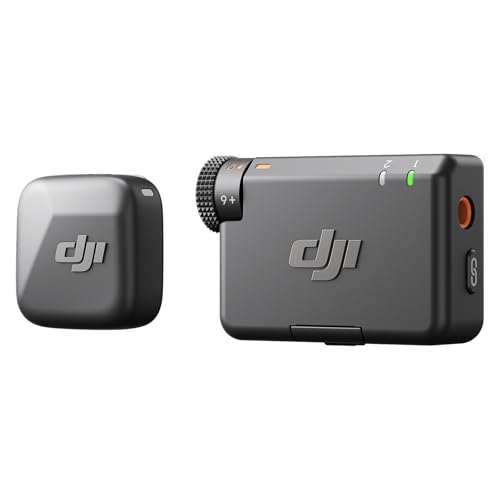
- 10g transmitter with detail-rich 48kHz audio
- Two-level noise cancellation and automatic limiting
- Approximately 10-hour operating time
Best For: Solo filming with cameras, phones, or computers
Best Wired Lavalier

- Discreet 4mm omnidirectional capsule
- 3.5mm TRS connection for cameras and transmitters
- Kevlar-reinforced 1.2m cable with pop shield
Best For: Wired camera, broadcast, and transmitter setups
Best for Two-Person Mobile Interviews

- Two 10g transmitters for two-speaker recording
- USB-C mobile receiver for plug-and-play use
- Up to 11.5 hours of operating time
Best For: Mobile interviews and livestreams on compatible USB-C devices
Best Wired Pair

- Two wired microphones for two speakers
- Omnidirectional condenser capsules
- 3.5mm TRS plug-and-play connection
Best For: Two-person shoots with compatible 3.5mm gear
Best Wireless System

- Lightweight wireless transmitters
- 48kHz/24-bit audio with noise cancellation
- Up to 30 hours with charging case
Best For: Mobile USB-C filmmaking and interviews
Best DJI Accessory

- Compatible with DJI Mic and Mic 2
- Rotating design aids flexible positioning
- Compact, concealable wired lav
Best For: DJI users recording interviews and vlogs
Best Low-Profile Wired Set
Premium Clip-On Lavalier Microphones

- Ultra-low-profile design for on-camera use
- Two microphones with 5-foot cables
- Multiple connector options available
Best For: Interviews, presenters, and studio or location recording
Best All-Around Wireless Kit – Hollyland Lark M2
For filmmakers who want a flexible wireless setup, the Hollyland Lark M2 combines very small transmitters with 48kHz/24-bit recording, noise cancellation, and broad device compatibility. Its camera version supports mono and stereo recording and includes two transmitters plus multiple receivers.
Best For: Filmmakers, vloggers, and podcasters needing a versatile multi-device wireless system.
Pros:
- Very lightweight 9g transmitters with discreet placement.
- 48kHz/24-bit audio, 70dB signal-to-noise ratio, and up to 115dB SPL handling.
- Up to 300m line-of-sight transmission and up to 40 hours with the charging case.
- Factory-paired setup with switchable mono and stereo modes on camera.
Cons:
- Mono/stereo switching is limited to camera connections using the 3.5mm jack.
- The extensive multi-device kit may be more equipment than solo creators need.
The Lark M2 is a strong choice when a filmmaking microphone needs to cover interviews, mobile shooting, and camera work. Its long battery rating, compact design, and included receiver options make it especially practical for longer production days.
Best Ultralight Single-Mic System – DJI Mic Mini
The DJI Mic Mini is a compact wireless option for filmmakers who typically record one speaker at a time. It pairs a 10g transmitter with 48kHz audio, two-level noise cancellation, automatic limiting, and a stated 400m maximum transmission range.
Best For: Solo creators and filmmakers seeking a discreet, straightforward wireless microphone for camera, phone, or computer recording.
Pros:
- 10g transmitter is small, lightweight, and discreet on camera.
- Two noise-cancellation levels help adapt to quieter or noisier locations.
- Automatic limiting helps reduce clipping from excessive input volume.
- Approximately 10-hour operating time for the transmitter and receiver.
Cons:
- This package includes one transmitter, so it is less suited to two-person interviews.
- Its DJI OsmoAudio direct connection is intended for compatible DJI devices.
For a simple one-person setup, the DJI Mic Mini offers useful safeguards without a bulky on-camera footprint. The included camera cable and USB-C phone adapter also make it easier to move between common recording platforms.
Best Wired Lavalier – RØDE Lavalier GO
The RØDE Lavalier GO takes a traditional wired approach to lavalier microphones for filmmaking. Its discreet 4mm omnidirectional capsule connects through a standard 3.5mm TRS plug, making it suitable for cameras, audio interfaces, and compatible wireless transmitters.
Best For: Filmmakers who prefer a dependable wired lavalier for camera, broadcast, streaming, or video-call setups.
Pros:
- Broadcast-oriented 4mm capsule with an omnidirectional pattern.
- Standard 3.5mm TRS connector supports cameras and many wireless transmitters.
- Kevlar-reinforced 1.2m cable is designed for repeated shoot use.
- Includes a pop shield, mounting clip, cable management, and pouch.
Cons:
- Wired operation limits movement compared with wireless systems.
- Requires a compatible 3.5mm TRS input or transmitter.
- Its supplied cable is shorter than some wireless operating ranges allow.
The Lavalier GO is a practical pick when reliability and simple connection matter more than wireless freedom. Its discreet capsule, ruggedized cable, and included mounting accessories make it a sensible component for a camera or transmitter-based rig.
Best for Two-Person Mobile Interviews – DJI Mic Mini 2 TX
Designed around mobile shooting, this DJI Mic Mini package includes two transmitters and a USB-C mobile receiver. It is a convenient choice for filmmakers recording interviews or conversations on compatible iPhone, Android, PC, and tablet devices.
Best For: Two-person interviews, livestreams, and mobile filmmaking with USB-C devices.
Pros:
- Two 10g transmitters support recording two speakers.
- Mobile receiver connects through USB-C for plug-and-play phone use.
- Two noise-cancellation levels help handle different environments.
- Automatic limiting helps prevent clipping from loud input.
Cons:
- The included mobile receiver is USB-C focused rather than a general camera receiver.
- Its stated maximum transmission range is 300m, below the larger Lark M2 kit’s claim.
- Compatibility should be checked for devices that do not use USB-C.
This is the more suitable DJI Mic Mini package for interviews because it supplies two transmitters rather than one. With an 11.5-hour maximum operating time for the two-transmitter and mobile-receiver setup, it is built for extended on-the-go content sessions.
Best Wired Pair – Compact CM5 Lavalier Set
For filmmakers who need simple, dependable lavalier microphones for filmmaking, the NEEWER CM5 provides two wired omnidirectional mics with 3.5mm TRS connectivity. The plug-and-play design works with compatible cameras, smartphones, recorders, and supported wireless transmitters without batteries or software.
Best For: Two-person interviews, presentations, stage work, vlogging, and filmmaking setups with a 3.5mm input.
Pros:
- Two microphones allow recording two speakers without moving one mic between people.
- Omnidirectional condenser capsules capture voices from 360 degrees for clear recordings.
- Includes 3.9-foot cables, metal clips, and foam windscreens.
- Compatible with Rode Wireless GO II, DJI Wireless Mic transmitters, and select NEEWER systems.
Cons:
- Wired operation can be less convenient than a wireless system.
- Requires a separate adapter for devices without a 3.5mm jack.
- Not compatible with Sony microphone systems.
The CM5 is a practical value choice when you need two discreet lavs and already have compatible 3.5mm equipment. Its main limitation is the cable and connector requirement, so check your camera or phone setup before buying.
Best Wireless System – Hollyland LARK M2 USB-C
The Hollyland LARK M2 is a strong wireless option for filmmakers seeking lavalier microphones for filmmaking without cable clutter. Its 9g transmitters, USB-C receiver, noise-cancellation controls, and stated 1,000-foot line-of-sight range suit mobile video production, interviews, and streaming.
Best For: Filmmakers, vloggers, and podcasters recording with USB-C phones, action cameras, computers, or compatible Android devices.
Pros:
- Lightweight 9g design is easy to conceal on clothing.
- Records 48kHz/24-bit audio and supports adjustable noise cancellation.
- Up to 10 hours of continuous use, with up to 30 hours using the charging case.
- Pre-paired transmitters and receiver support quick setup.
Cons:
- The supplied version uses USB-C, so connector compatibility matters.
- The stated 1,000-foot range is line-of-sight, not a guaranteed distance in every environment.
- Noise cancellation and app controls add setup choices compared with a basic wired mic.
The LARK M2 offers the mobility and convenience most solo creators expect from a wireless filmmaking microphone. Confirm your recording device supports USB-C and review the available app controls before a shoot.
Best DJI Accessory – Rotating DJI Lavalier Mic
The DJI Lavalier Microphone is a compact wired accessory for creators using DJI Mic or DJI Mic 2 systems. For lavalier microphones for filmmaking, its rotating design, flexible cable routing, and concealable profile make it useful for interviews, vlogs, and livestreams.
Best For: DJI Mic and DJI Mic 2 users who want a discreet, directional lavalier microphone for interviews and on-camera work.
Pros:
- Compatible with DJI Mic 2 and DJI Mic systems.
- Rotating design supports flexible positioning during recording.
- Cable routing helps prevent accidental unplugging.
- Compact profile is easy to conceal for cleaner-looking shots.
Cons:
- Designed specifically around DJI Mic compatibility rather than universal use.
- Uses a 3.5mm TRS connection and is not a standalone wireless microphone.
- The supplied notes list one microphone, so a second unit is needed for two speakers.
This mic makes the most sense as a dedicated add-on for an existing DJI wireless setup. Its directional pattern and flexible physical design favor controlled, single-speaker recording, while DJI compatibility limits its wider usefulness.
Best Plug-and-Play Wireless Pick – Mini USB-C Lavalier Microphone
For filmmakers who want a quick setup with a smartphone or tablet, this wireless mini lavalier microphone offers automatic pairing without Bluetooth or an app. Its adjustable noise cancellation and compact charging case make it a practical option for mobile video recording, interviews, vlogging, and other filmmaking setups.
Best For: Smartphone filmmakers, vloggers, interview recording, and outdoor shoots where simple wireless operation matters.
Pros:
- Plug-and-play setup with automatic pairing and no app required.
- Three adjustable noise-cancellation levels for different recording environments.
- Up to 6 hours of microphone use and up to 36 hours with the charging case.
- Wireless range of up to 164 feet for flexible positioning.
Cons:
- The supplied connectivity details focus on USB-C devices and included iOS conversion accessories, so compatibility should be checked before buying.
- Voice changer features may be more useful for casual content than serious filmmaking.
This is a feature-rich choice for creators who prioritize convenience and portability. The multiple audio modes, long combined battery life, and wireless range make it especially useful for mobile productions, though filmmakers should confirm the receiver configuration matches their device.
Best Low-Profile Wired Set – Premium Clip-On Lavalier Microphones
For productions where discreet placement and straightforward reliability are priorities, this wired lavalier set is designed for filmmaking, broadcast, studio voice recording, and content creation. The 5-foot cable, metal clip, foam windscreen, and plug-and-play operation make it a simple choice for keeping the microphone close to the speaker.
Best For: Filmmakers who prefer a low-profile wired microphone for interviews, presenters, voice recording, and studio or location work.
Pros:
- Ultra-low-profile design helps minimize microphone visibility on camera.
- Includes two microphones with 1.5-meter/5-foot cables.
- Available in connection options including 3.5mm TRRS, USB-A, and USB-C variants.
- Includes a metal lapel clip and foam windscreen.
Cons:
- The wired design limits movement compared with wireless lavalier systems.
- The supplied product configuration is listed as 3.5mm, so buyers should verify the required connector before ordering.
- The listed warranty is a 30-day return policy.
This set suits filmmakers who value discreet placement and a simple connection over wireless freedom. Its two-microphone package can be useful for interviews or dual-speaker recording, provided the cable length and connector type fit the production setup.
Best for DSLR Filmmaking – Movo WMX-2 Wireless Camera Microphone
Designed for camera-based production, the Movo WMX-2 combines a compact 2.4GHz wireless transmitter and receiver with a charging case. It is compatible with Canon, Sony, Nikon, and other DSLR cameras, making it a practical option for filmmakers who need a wearable microphone and long-range camera connection.
Best For: DSLR filmmakers, vloggers, and content creators who need a compact wireless system with a camera-oriented 3.5mm connection.
Pros:
- Designed for DSLR cameras and compatible with Android devices using USB-C.
- Stable 2.4GHz transmission with Adaptive Frequency Hopping.
- Wireless range reaches up to 328 feet under the supplied specifications.
- Up to 7 hours of battery life, plus an additional full charge from the case.
Cons:
- The system uses one channel, which may limit multi-speaker recording.
- Its 3.5mm camera connection is less universal than USB-C systems for some modern devices.
- Battery life and wireless range can vary with real-world shooting conditions.
The WMX-2 is the most camera-focused option in this group, with a long stated range, included accessories, and a one-year warranty. It is a strong fit for DSLR filmmaking, especially when a compact transmitter and 3.5mm receiver are preferable to a phone-first system.
How We Picked the Best Lavalier Microphones for Filmmaking
We focused on microphones and kits suited to real-world video production, including interviews, documentaries, short films, vlogs, and two-person shoots. The selection covers wired lavaliers, compact wireless systems, camera-ready receivers, and mobile-first kits. We considered recording quality, connector compatibility, wireless range, battery life, noise-reduction features, portability, setup simplicity, and replacement or expansion options.
Because no single microphone suits every workflow, the list includes both affordable essentials and more capable systems. A microphone with excellent specifications is not useful if it cannot connect to your camera, phone, or transmitter, so compatibility is treated as a primary buying factor.
Quick Comparison
- Best for flexible wireless recording: Hollyland Lark M2 systems offer compact transmitters, broad device compatibility, and long operating time.
- Best for lightweight DJI setups: DJI Mic Mini kits prioritize small transmitters and straightforward mobile or camera recording.
- Best wired option: The RØDE Lavalier GO provides a familiar professional lavalier format for compatible wireless transmitters and recorders.
- Best for multiple speakers: Two-transmitter kits and dual-pack lavaliers simplify interviews, panels, and collaborative content.
- Best for low-cost phone recording: Mobile wireless mini lavalier kits can be convenient for casual videos, provided the connector matches your device.
Key Buying Factors for Lavalier Microphones for Filmmaking
Wired or Wireless Design
Wired lavaliers are usually affordable, reliable, and free from battery concerns, but cables can restrict movement and require careful clothing management. Wireless systems provide cleaner-looking footage and greater freedom, though they add transmitters, receivers, charging requirements, and potential signal interference.
Device Compatibility
Check whether the kit connects through 3.5mm, USB-C, Lightning, or a camera receiver. Some products work directly with phones, while others are designed for cameras or require an adapter. If you use several devices, choose a system with the appropriate receiver options or output flexibility.
Audio Quality and Noise Control
Look for clear speech reproduction, low handling noise, and useful wind protection. Active or built-in noise reduction can help with air conditioners and street ambience, but it may alter the voice. For serious filmmaking, recording a clean backup track or using a receiver with onboard recording can add security.
Range, Battery Life, and Handling
Rated wireless range is measured under ideal conditions, so walls, crowds, and radio interference may reduce it. Choose enough battery life for a full shooting day, and consider charging cases for travel. A small, lightweight transmitter is easier to hide and less likely to pull on clothing.
Who Should Buy Which Lavalier Microphones for Filmmaking?
Mobile creators should prioritize USB-C or Lightning compatibility, quick pairing, and a compact charging case. Solo filmmakers and vloggers will benefit from a lightweight wireless kit with dependable range and noise control. Interview and documentary crews should consider two-transmitter systems, long battery life, and backup recording features. Studio and broadcast users may prefer a quality wired lavalier connected to a trusted recorder or wireless bodypack. Finally, budget-conscious buyers can choose a wired or basic wireless microphone, but should verify connector type and included accessories before ordering.