Film photography is easier to learn when your book matches the part of the process you’re working on. A beginner learning to load 35mm film needs different guidance from a photographer refining negatives or choosing a vintage camera.
These 10 books cover hands-on shooting, technical fundamentals, camera selection, and collecting. Use the guide below to narrow the list by your experience, format, and goals.
Best 10 Film Photography Books and Guides Picks for 2026
Best All-Around Film Guide

- Covers camera choice and exposure
- Explains flash, filters, and lensless work
- Introduces three processing approaches
Best For: Digital photographers starting with film
Best for Zone System Study

- Details the Zone System
- Links exposure and development
- Illustrated with photos and drawings
Best For: Photographers studying negative control
Best for Choosing a Film Camera

- Focused on camera selection
- Compares lenses and focus options
- Covers major European and Japanese makers
Best For: Film-camera buyers and collectors
Best for 35mm Beginners
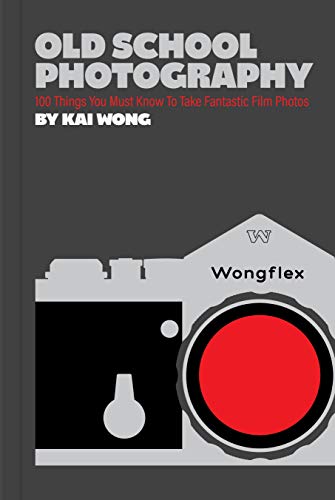
- Presents 100 practical tips
- Covers cameras, lenses, and shooting
- Informative, humorous approach
Best For: Beginners learning 35mm film photography
35mm Starter Guide

- Starts with handling and loading
- Explains exposure and camera equipment
- Covers automatic and semiautomatic 35mm
Best For: First-time 35mm photographers
Complete Film Workflow
The Film Photography Handbook, 3rd Edition

- Spans 35mm through large format
- Covers processing and scanning
- Includes hybrid and smartphone-assisted workflows
Best For: Readers building an end-to-end film workflow
Visual Technique Guide
How To Take Great Photographs With A Film Camera

- Over 400 step-by-step examples
- Covers 35mm, medium, and large format
- Emphasizes practical shooting techniques
Best For: Example-led film-camera practice
Best All-Around Guide

- Covers 35mm through large format
- Explains home black-and-white processing
- Includes scanning and hybrid workflows
Best For: Learning the full film photography workflow
Best Vintage Camera Reference

- Profiles 100+ vintage camera models
- Covers 13 formats with shooting guides
- Includes buyers’ tips and camera test drives
Best For: Comparing and collecting vintage film cameras
Best On-the-Go Reference
Film Photography: Pocket Guide

- Portable 56-page 35mm reference
- Covers loading, exposure, and metering
- Includes checklists and shooting scenarios
Best For: Quick 35mm reminders while shooting
Best All-Around Film Guide – Mastering Film Photography
Among film photography books and guides, Mastering Film Photography offers a broad introduction to shooting film in the digital age. Its 176 pages cover choosing a camera, understanding film, getting exposure right without instant feedback, and using flash and filters.
Best For: Digital photographers who want a practical overview of film shooting and processing options.
Pros:
- Covers exposure, pre-TTL flash, filters, and lensless photography.
- Introduces traditional, digital, and hybrid processing options.
- Includes profiles of film photographers alongside instruction.
Cons:
- Its broad scope may be less suitable for readers seeking an in-depth treatment of one technique.
- At 176 pages, it is shorter than some more specialized manuals.
Choose this if you want to understand the film workflow from camera selection through making use of negatives and slides, rather than focus exclusively on shooting or darkroom work.
Best for Zone System Study – The Negative
If you are comparing film photography books and guides for precise exposure and development, Ansel Adams’ The Negative is the technical choice. This 288-page second volume in his photography series examines the Zone System, visualization, lighting, film exposure, and darkroom equipment.
Best For: Serious film photographers who want to study deliberate exposure and negative development.
Pros:
- Provides a detailed discussion of the Zone System and visualization.
- Connects film exposure with development and darkroom techniques.
- Uses Adams’ photographs and instructive drawings to illustrate concepts.
Cons:
- As the second book in a three-volume series, it is not presented as a single-volume introduction to every aspect of photography.
- Its technical focus may be more than a casual beginner wants.
Pick this for a deeper look at controlling the negative; choose a broader beginner guide if your immediate goal is choosing a camera and taking your first roll of film.
Best for Choosing a Film Camera – Film Camera Zen
Not all film photography books and guides start with the purchase decision. Film Camera Zen concentrates on finding a film camera, using Bellamy Hunt’s knowledge of analog camera models and histories to help readers compare technical capabilities, focusing options, lenses, and accessories.
Best For: New film-camera buyers and collectors deciding which camera system to pursue.
Pros:
- Addresses purchase considerations including focus options and compatible lenses.
- Covers European and Japanese makers, including Leica, Hasselblad, Nikon, and Pentax.
- Speaks to both using and collecting analog cameras.
Cons:
- Its camera-selection focus makes it a less direct fit for readers primarily seeking exposure or darkroom instruction.
This is the most targeted pick here when the question is which camera to buy. Pair it with a shooting guide if you also want step-by-step help making photographs.
Best for 35mm Beginners – Old School Photography
Old School Photography: 100 Things You Must Know to Take Fantastic Film Photos
Check Price On AmazonFor readers who prefer advice in short, approachable pieces, Old School Photography stands out among film photography books and guides. Kai Wong organizes this 216-page guide around 100 tips on selecting and using 35mm film cameras, shooting with film and lenses, and improving results through specific techniques.
Best For: New 35mm film photographers who want an entertaining, tip-based introduction.
Pros:
- Organizes instruction into 100 individual tips.
- Covers camera choice, film, lenses, and shooting techniques.
- Uses an informative, humorous style.
Cons:
- Its emphasis on 35mm makes it less directly suited to readers focused on other film formats.
- The tip-based approach may not suit readers who want one extended treatment of a technical subject.
Choose this for an accessible way into 35mm shooting; look to a specialized manual if you want sustained study of exposure theory or darkroom practice.
35mm Starter Guide – Basic 35mm Photo Guide
Among film photography books and guides, this 112-page introduction is a practical choice if you want to learn a 35mm camera from the ground up. It starts with holding and loading a camera, then builds toward exposure, lenses, film types, and lighting.
Best For: Beginners and students learning the fundamentals of 35mm photography.
Pros:
- Starts with camera handling and loading before tackling more complex settings.
- Defines photography jargon and uses photos to illustrate techniques.
- Covers both semiautomatic and automatic 35mm cameras, plus equipment selection and care.
Cons:
- Focuses on 35mm rather than medium- or large-format photography.
- Published in 2001, so it does not address the newer hybrid workflows covered by some contemporary guides.
Choose this one for a structured start with a 35mm camera; readers seeking a broader, up-to-date film workflow may want a more recent handbook.
Complete Film Workflow – The Film Photography Handbook, 3rd Edition
If you want film photography books and guides that cover more than taking the shot, this 2023 handbook follows the process from choosing a camera and film format through processing, scanning, and archiving. It also addresses hybrid film/digital workflows and smartphone-assisted metering.
Best For: New or returning film photographers who want one guide spanning multiple formats and a modern workflow.
Pros:
- Covers 35mm, medium format, and large format.
- Explains exposure, film types, and buying a secondhand camera.
- Includes home black-and-white processing, negative scanning, and archiving.
Cons:
- Its broad scope may be more than you need for a quick 35mm-only introduction.
- At 308 pages, it requires more reading than the shorter guides here.
This is the most wide-ranging option in this selection, particularly if you plan to develop film or bring negatives into a digital workflow.
Visual Technique Guide – How To Take Great Photographs With A Film Camera
For readers comparing film photography books and guides with a hands-on emphasis, this 160-page manual presents film-camera techniques through more than 400 step-by-step examples. Its scope includes 35mm, medium and large format, and single-lens reflex cameras.
Best For: Film-camera enthusiasts who prefer learning techniques from worked examples.
Pros:
- Uses over 400 step-by-step examples.
- Covers several film formats rather than only 35mm.
- Designed as a straightforward manual for improving practical skills.
Cons:
- The supplied description does not specify coverage of processing, scanning, or archiving.
- Readers wanting an explicitly end-to-end workflow may prefer a broader handbook.
Pick this for its example-led approach to shooting; check another title if developing and digitizing film are your main priorities.
Best All-Around Guide – The Film Photography Handbook
The Film Photography Handbook: Rediscovering Photography in 35mm, Medium, and Large Format
Check Price On AmazonAmong film photography books and guides, The Film Photography Handbook is a broad starting point for learning or revisiting film. It covers 35mm, medium, and large format, then follows the process through development, scanning, and archiving.
Best For: Beginners and returning photographers who want one guide to shooting film and building a film-to-digital workflow.
Pros:
- Explains camera choices, exposure, film types, and second-hand camera buying.
- Covers home black-and-white processing, including equipment, chemicals, and workflow.
- Addresses negative scanning, smartphone-assisted metering, and archiving.
Cons:
- Its wide scope may be more than a photographer seeking only a quick 35mm field reference needs.
- Photographers looking chiefly for a catalog of collectible camera models may prefer a camera-focused guide.
Choose this for a connected introduction to the whole process, especially if you want to keep using digital tools alongside film.
Best Vintage Camera Reference – Retro Cameras
If choosing a camera is your entry point to film photography books and guides, Retro Cameras puts the equipment front and center. It profiles more than 100 vintage models across 13 formats, pairing photographs with shooting advice and buyers’ tips.
Best For: Photographers comparing vintage film cameras and collectors who want a visual reference to classic models.
Pros:
- Features more than 100 camera models, from affordable options to collectible ones.
- Includes quick-reference shooting guides for each format and advice on using individual cameras.
- Offers buyers’ tips, camera test drives, accessory coverage, and a glossary.
Cons:
- Its camera-by-camera focus is less suited to someone seeking a step-by-step film processing manual.
- The 288-page, 2.31-pound book is better suited to browsing than carrying as a pocket reference.
This is the pick for exploring what different vintage cameras offer before buying or shooting one, rather than for learning a complete development workflow.
Best On-the-Go Reference – Film Photography: Pocket Guide
For film photography books and guides you can consult while shooting, this 56-page pocket guide keeps the focus on practical 35mm decisions. It starts with a pre-shoot checklist and film loading, then covers exposure, metering, lenses, composition, and common shooting scenarios.
Best For: New or returning 35mm photographers who want a portable reminder of camera setup and shooting basics.
Pros:
- Compact 3.5-by-5.5-inch format is designed for use away from home.
- Pre-shoot checklist helps with camera setup before loading and shooting.
- Covers built-in meters or meter apps, manual exposure, and scenarios such as portraits and low light.
Cons:
- Limited to 35mm rather than medium- or large-format photography.
- Its quick-reference scope is not a substitute for a detailed guide to developing, scanning, or archiving film.
Pick this when a fast answer in the field matters more than a comprehensive course; its narrow scope is also what makes it easy to bring along.
How We Picked These Film Photography Books and Guides
We looked for a useful range of subjects rather than 10 books that teach the same basics. The selection includes beginner-friendly 35mm instruction, broader handbooks, technique-focused guides, a detailed treatment of negatives, portable references, and books on finding or collecting cameras. We also kept both editions of The Film Photography Handbook on the list so readers can weigh the newer third edition against the earlier version. Check an edition’s contents and availability before buying; a newer edition is not automatically the best value for every reader.
Quick Comparison: Start with Your Goal
- Learning your first 35mm camera: Start with a beginner guide or pocket reference that explains loading, settings, and everyday shooting.
- Building a broader foundation: Choose a handbook covering exposure, film choices, and multiple camera formats.
- Improving technique: Look for practical exercises, step-by-step instruction, or focused guidance on producing better negatives.
- Choosing a camera: Pick a camera-selection guide if you have not bought equipment yet; choose a collector’s guide if vintage models are your main interest.
Key Buying Factors for Film Photography Books and Guides
Match the Book to Your Stage
If terms such as aperture, shutter speed, and ISO are new to you, prioritize plain-language explanations and shooting examples. If you already expose and develop film, a basic overview may be less useful than a deeper book on negatives or a format-specific resource.
Check Format and Workflow Coverage
Confirm that the book covers what you actually use: 35mm, medium format, or large format. Also distinguish between books about taking pictures and those that address developing, printing, or evaluating negatives. A camera-shopping book will not replace a shooting manual, and a darkroom-focused text may not help you load your first roll.
Consider Edition, Layout, and Portability
Compare tables of contents when editions overlap, especially the two versions of The Film Photography Handbook. For learning at home, clear photographs and diagrams can make unfamiliar controls easier to understand. For carrying in a camera bag, a compact reference may be more useful than a comprehensive volume.
Who Should Buy Which Film Photography Books and Guides?
First-time shooters should favor an accessible 35mm guide and practice with the camera in hand. Photographers exploring several formats will get more mileage from a wide-ranging handbook. Experienced shooters seeking consistency should consider a focused technical book, particularly if exposure and negative quality are the sticking points. Camera shoppers and collectors should choose a guide aligned with that purpose, then consult a separate shooting reference as needed.
The best choice is the one that answers your next practical question. Buy for the film, camera, and workflow you use now—not the equipment you might own someday.